


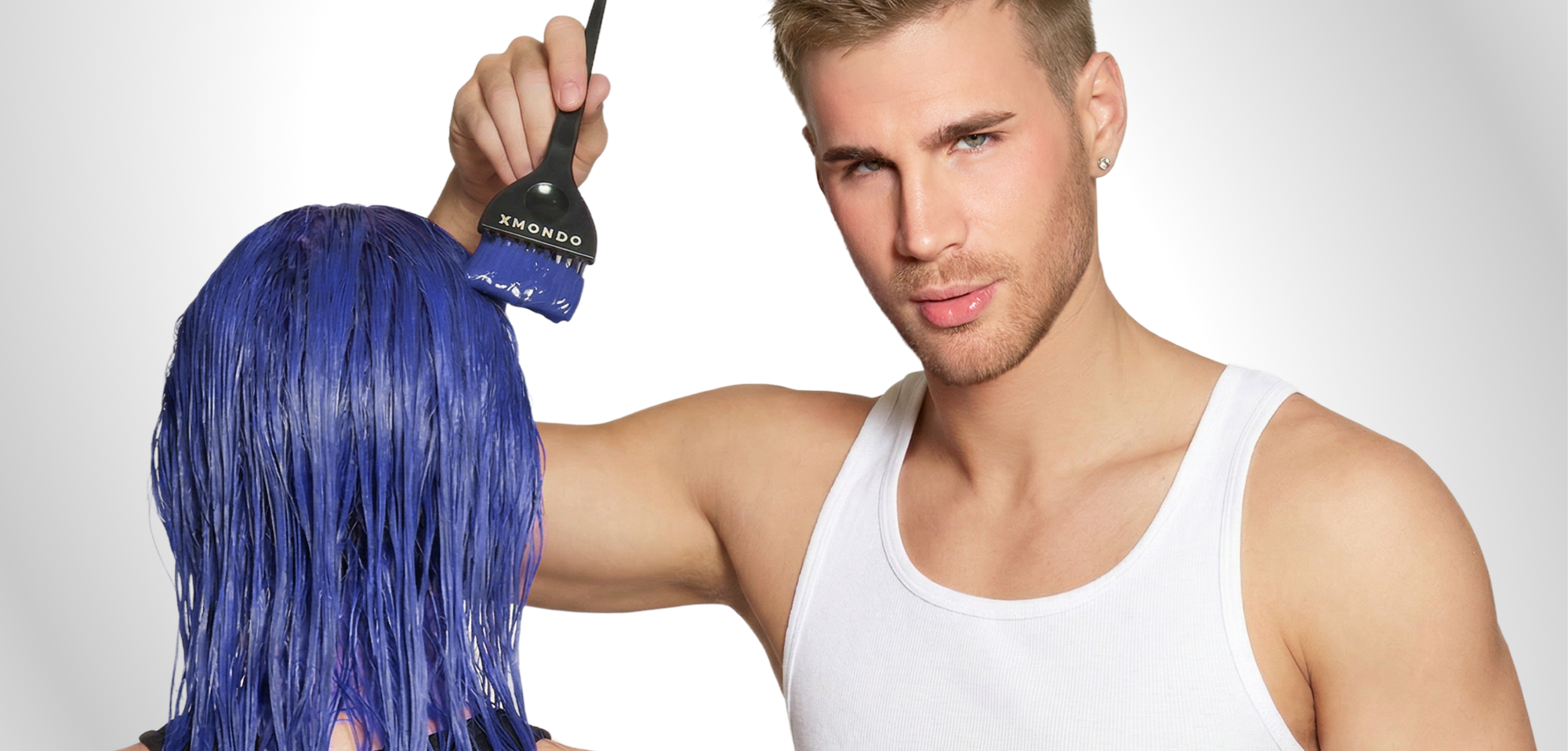
Coloring your hair at home can be exciting. But it can also go very, very wrong.
Most DIY hair color disasters aren't caused by the color itself. They're caused by rushing through the boring stuff. Skipping sectioning. Not using enough product. Applying color over dirty hair. Starting without a plan.
The good news is that almost all of these mistakes are avoidable.
Whether you're touching up your current shade, trying something completely new, or experimenting with semi-permanent color for the first time, a few professional techniques can make the difference between patchy color and salon-worthy results.
Here's how to dye your hair at home the 'right' way.
Start With a Game Plan
Before you open a single tube of color, know exactly what you're trying to achieve.
This sounds obvious, but it's where a surprising number of DIY color jobs go off the rails.
One of the most common mistakes Brad sees is people bleaching first and figuring out the color later. That usually ends with panic, impulse decisions, and a result that looks nothing like what they originally wanted.
Some things to ask yourself:
- What is my goal color?
- Is my current hair color realistic for that result?
- Has my hair been colored before?
- Am I working with natural hair, previously colored hair, or bleached hair?
The more honest you are about your starting point, the better your final result will be.
Hair color works best when you're working with your hair, not fighting against it.
Work With Clean, Dry Hair
If you're using semi-permanent color, clean hair matters. Brad repeatedly points out that oils, leave-in conditioners, and product buildup can prevent color from grabbing onto the hair properly.
Before coloring:
- Clarify your hair
- Shampoo thoroughly
- Skip conditioner
- Avoid oils and leave-ins
- Make sure hair is completely dry
Think of it this way:
If your hair is coated in product, you're essentially asking the color to stick to the product instead of your hair.
Clean hair gives color the best chance to deposit evenly and last longer.
Section Your Hair Like a Pro
Section your hair. Seriously. This is one of the simplest things you can do to improve your results.
Professional stylists section hair because it keeps everything organized and prevents missed spots. Brad frequently praises creators who take the time to divide their hair into manageable sections before applying color.
A simple four-quadrant sectioning pattern works for most people:
- Front Left
- Front Right
- Back Left
- Back Right
Clip each section separately. Then work through them one by one.
Start at the Bottom and Work Up
There's a reason stylists do this. Actually, several reasons.
Starting at the nape of the neck gives you:
- Better control
- Cleaner application
- More consistent saturation
- Fewer missed sections
Brad repeatedly recommends working from the bottom upward rather than starting at the crown.
The bottom sections are often the hardest to see. If you get those right first, the rest becomes much easier.
Work in thin sections. Be patient!
The people who rush through the back of their head are usually the same people asking why their color looks uneven.
Saturate Every Single Strand
If there's one lesson to remember from this entire article, it's this:
Use more color than you think you need.
Patchy color is often a saturation problem.
Brad repeatedly praises creators who fully coat every strand and criticizes applications that look sparse or dry. (Watch the video here: People Tried My Hair Color and Didn’t Hold Back →)
Your hair should look fully covered. When using semi-permanent color, don't be afraid to apply generously. Especially if your hair is:
- Thick
- Long
- Dry
- Porous
Those strands will absorb product quickly.
Comb the Color Through
This might be Brad's most repeated piece of advice.
Comb. The. Color. Through.
A wide-tooth comb helps distribute color evenly throughout the section. Without combing, you risk:
- Uneven deposits
- Dark patches
- Missed strands
- Inconsistent results
Think of the comb as quality control. Once you've applied color to a section, gently comb it through from roots to ends.
It takes an extra few seconds. The payoff is so worth it.
Understand How Hair Health Affects Color
Not all hair accepts color the same way. This is where many DIY colorists get confused. Healthy hair often behaves differently than damaged hair.
Healthy Hair
Healthy hair tends to be less porous.
That means color may appear:
- Softer
- More subtle
- Less intense
Porous Hair
Previously colored, bleached, or damaged hair is usually more porous.
That means it tends to:
- Grab pigment faster
- Hold onto color longer
- Sometimes absorb color unevenly
Brad explains that porous mids and ends often hold semi-permanent color more strongly than healthier roots.
This is why the same formula can look different throughout the hair. It's not always the color. Sometimes it's the canvas.
Choose the Right Color for Your Starting Point
The best DIY hair color results happen when expectations match reality.
Natural Hair
If your hair is completely natural, expect a more subtle result with semi-permanent color. This is especially true for darker shades.
Previously Colored Hair
Existing pigment affects everything. Color doesn't erase old color, it layers on top of it.
If you've colored your hair before, expect those old tones to influence your final result.
Bleached Hair
Bleached hair grabs color quickly. Colors often appear brighter, more vibrant, or more intense. This can be great, if that's what you're going for.
Know what you're working with before you start.
Don't Panic During Processing
We've all been there. You apply the color, look in the mirror, and suddenly you're convinced you've made a terrible mistake.
At this point it is good to remember that many colors look completely different while they're processing.
Brad points out that color often oxidizes and develops over time. The color you see at minute five is not necessarily the color you'll see after rinsing.
Trust the timing instructions and trust the process.
(And stop doom-scrolling hair color correction videos while you wait.)
Aftercare Matters More Than You Think
The coloring process doesn't end when you rinse.
How you treat your hair afterward affects longevity, vibrancy, shine, and overall appearance.
After coloring:
- Rinse thoroughly
- Use color-safe shampoo
- Avoid excessive washing
- Limit harsh clarifying products
- Refresh color when needed
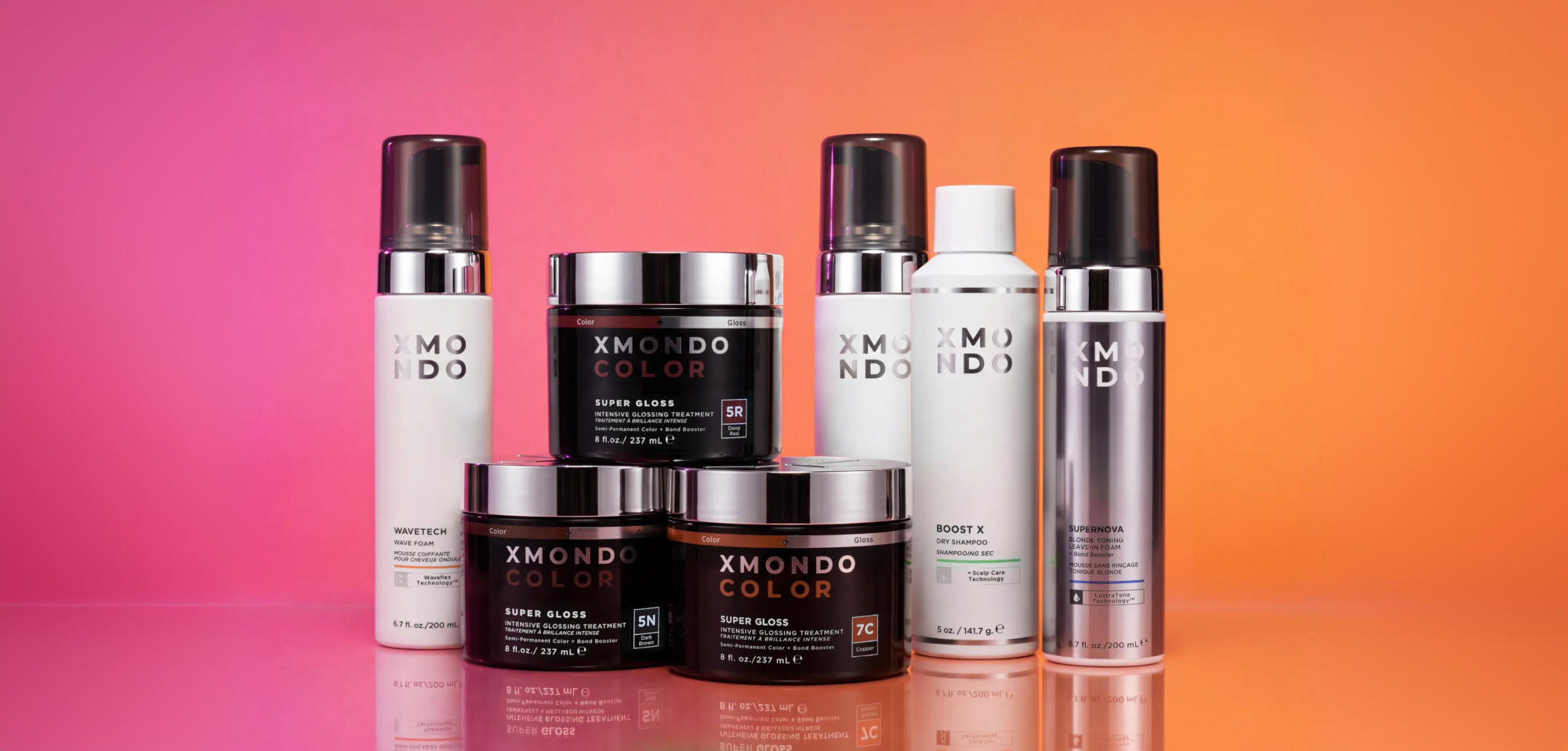
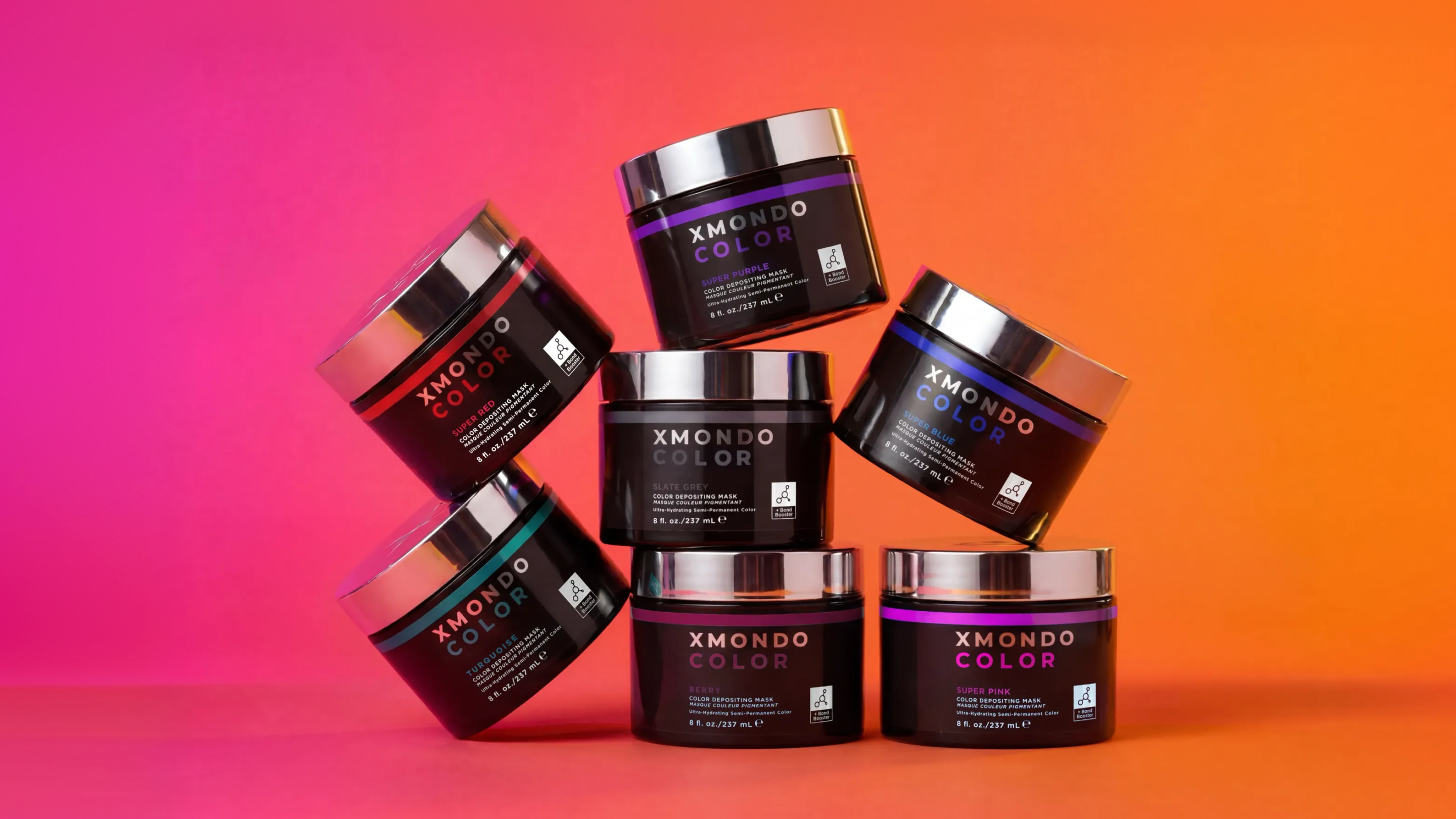
For anyone looking for an easy at-home refresh, XMONDO Color is designed to deposit color while delivering shine and conditioning benefits in as little as 15-20 minutes.
It's one of the easiest ways to revive faded color between salon visits. Or skip the salon altogether.
Common DIY Hair Color Mistakes to Avoid
Let's make this easy. Avoid these mistakes:
- ❌ Coloring without a plan
- ❌ Applying color over buildup and oils
- ❌ Skipping sectioning
- ❌ Working in giant sections
- ❌ Not using enough product
- ❌ Uneven saturation
- ❌ Forgetting to comb color through
- ❌ Ignoring hair porosity
- ❌ Expecting unrealistic results
- ❌ Rushing the process
Most color disasters aren't mysterious. They're usually one of these.
Final Thoughts
You don't need a cosmetology license to get great color at home.
You do need patience, and you (ideally) need a plan. And you need to stop treating hair color like a race.
The people who get the best results aren't always necessarily the most experienced. They're the most thorough.
Take clean sections. Work from the bottom up. Saturate thoroughly. Comb the color through. Trust the process!
Do that, and you'll already be ahead of most DIY hair color attempts on the internet.
🛒 Ready for your next color transformation?
Shop XMONDO Color for vibrant, salon-inspired results designed for at-home application. Whether you're looking for a bold transformation or a glossy refresh, there's a shade waiting for you.
As always, don’t forget to tag us @xmondohair / @xmondocolor! We love seeing your transformations.
💡 Looking for more color care tips? Start here:
- Everything You Need to Know About Hair Glossing (and Why It Belongs in Your Routine) →
- What Does Hair Gloss Really Do? →
- How Long Does Semi-Permanent Hair Color Last? Tips to Extend It! →
- Best Hair Color for Your Skin Tone: A Guide to Finding Your Perfect Shade →
- XMONDO Color on Dark Hair: Results Without Bleach →


Share: