


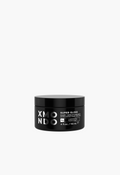
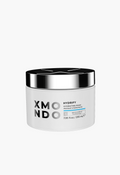

A lot of people buy an at home hair gloss expecting it to magically erase yellow or orange tones, then wonder why their hair still looks off. The problem usually isn’t glossing itself. The problem is using the wrong gloss. If your blonde is turning warm, flat, or slightly orange, you do not need a generic clear gloss. You need a gloss with the right ash tone built in.
That’s the difference between hair that looks salon-fresh and hair that just looks shiny and still brassy.
This guide breaks down what an at-home hair gloss really does, what kind of gloss is good for brassy hair, and why ash-based glosses are usually the smarter move when your blonde starts drifting warm.
What an at-home hair gloss is actually good at
The best at-home glosses do three things well: they add shine, smooth the hair surface, and refresh tone. That’s why they’ve become so popular between salon appointments.
If your hair is already brassy, shine alone won’t fix it. In fact, extra shine can make unwanted warmth more obvious. This is where most at-home hair gloss kits reviews miss the point. They lump clear glosses and toning glosses together as if they do the same job.
They don’t.
A clear gloss is fine if your color still looks right and you just want polish. But if your blonde is skewing yellow, gold, or orange, the right move is a toning gloss with ash undertones.
What gloss is good for brassy hair? (The answer is usually ash.)
Brassiness shows up when underlying warm pigment starts pushing through. For blondes, that usually means yellow or yellow-orange tones.
So what gloss gets rid of brassiness in hair?
Usually, one with a cool or ash base.
If the warmth is softer and more golden-yellow, a medium ash blonde gloss makes sense. If the hair is darker blonde or has deeper brassiness, a darker ash blonde can make more sense because it cools while keeping the result believable.
That’s why Super Gloss 8A Ash Blonde and Super Gloss 7A Dark Ash Blonde make sense here:
- 8A Ash Blonde works well for softer brass, pale yellow, and that milk-tea blonde direction.
- 7A Dark Ash Blonde is stronger and slightly deeper, which makes it useful for more noticeable brassiness, dull dark blonde, or blonde that has started pulling too warm and muddy.
Not every brass problem needs purple shampoo.
Sometimes it needs a gloss that actually re-tones the hair.
7A vs. 8A: which one makes more sense for your blonde?
Choose 8A Ash Blonde if:
- your hair is a medium blonde
- the brassiness is more soft yellow than deep orange
- you want a cooler, lighter result
- you like that airy, milky, powdery blonde look
Choose 7A Dark Ash Blonde if:
- your blonde is darker or slightly rootier
- the warmth looks stronger or more golden-orange
- you want a more grounded, smoky result
- your hair needs evening out as much as it needs brightening
What the reviews say

"My perfect milk tea blonde" - Krista (8A Ash Blonde)

"beautifully cool toned blonde" - Sara (7A Dark Ash Blonde)

"Super happy with results! My hair was dry and had a lot of brassiness and yellow tones, and I was looking to even out the color. This product made that happen, it looks like I got it done at the salon!" - Ileana (7A Dark Ash Blonde)
How to do a hair gloss treatment at home without messing it up
A hair gloss treatment at home should be easy. If it turns into a 14-step process, the formula is the problem.
Luckily, XMONDO's Super Gloss Intensive Glossing Treatment is not one of those formulas.
The basics:
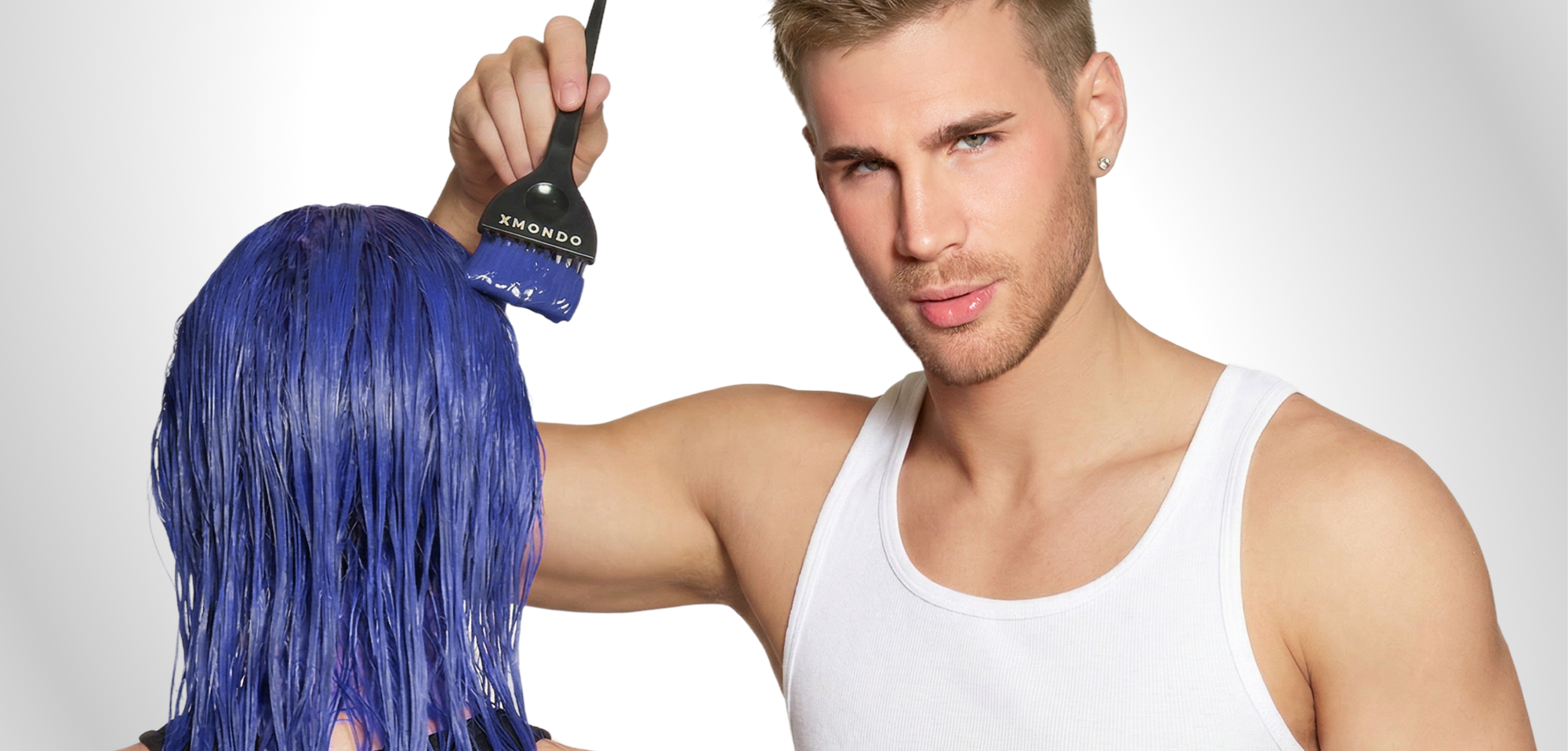
- Start with clean hair.
- Apply generously. Make sure it’s evenly saturated.
- Let the gloss process for ~15 mins.
- Rinse thoroughly.
- Style and assess in natural light.
What people typically get wrong:
- they don’t use enough product
- they apply unevenly
- they choose the wrong gloss for their desired tone
- they expect shine to cancel brassiness
That last one fails because shine is not tone correction. If your issue is brass, use gloss like a tone tool first and a shine booster second.
Quick takeaways
- An at home hair gloss is useful for shine, softness, and color refresh, but not all glosses correct brassiness equally.
- If your blonde is warm, a clear gloss is usually not enough.
- 8A Ash Blonde makes sense for softer yellow brass and lighter blonde correction.
- 7A Dark Ash Blonde makes sense for deeper brassiness, darker blonde, or more visible warmth.
- The best gloss for brassy hair is usually the one with enough ash to neutralize warmth without making the hair look flat.
Conclusion
If you’re dealing with brassiness, stop wasting time on broad “best gloss” advice that treats every formula and shade the same. They’re not the same. Some are built for shine. Some are built for tone. If your blonde is drifting warm, ash is usually your friend.
That’s why Super Gloss 7A Dark Ash Blonde and Super Gloss 8A Ash Blonde are the useful conversation here. They don’t just make hair look smoother and shinier. They help pull the color back where it should be.
And as always, don’t forget to tag us @xmondohair / @xmondocolor to show us your before-and-after!
FAQs
What gloss is good for brassy hair?
A gloss with cool or ash undertones is usually best for brassy blonde hair because it helps counter unwanted yellow or orange warmth. Tinted glosses are generally better than clear glosses when tone correction is the goal.
Is an at-home hair gloss worth it?
Yes, especially if your hair needs shine, softness, or a quick tone refresh between salon visits.
What’s the difference between a gloss and toner?
There’s overlap. A gloss can add shine and deposit tone, while a toner is usually discussed more specifically in terms of correcting unwanted warmth. Some products effectively do both.
Can a clear gloss fix brassy hair?
Usually not. A clear gloss can make the hair shinier and smoother, but it won’t meaningfully neutralize brassiness because it doesn’t add corrective tone.

Share: